
Introduction
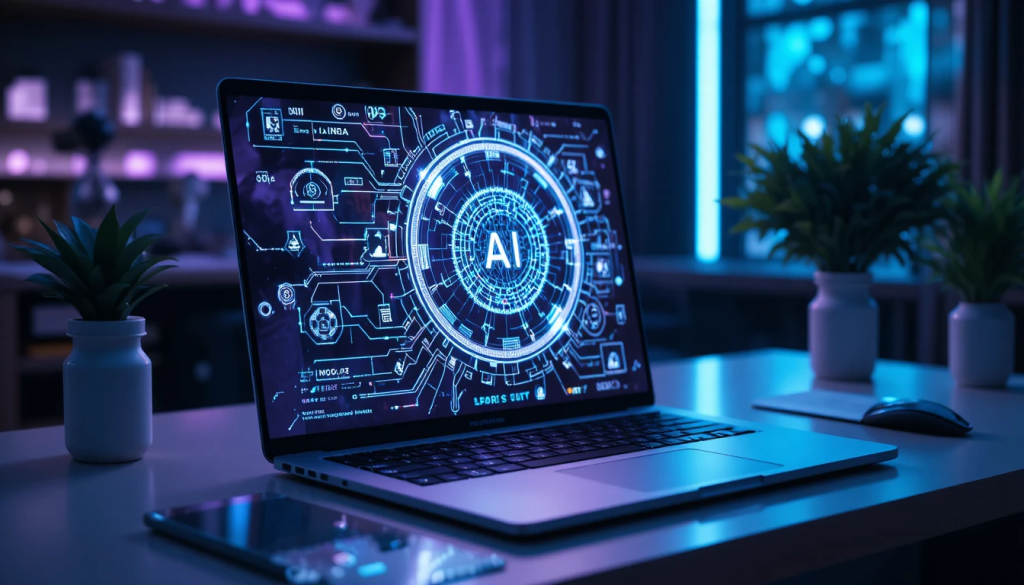
The laptop landscape has undergone a seismic shift in 2025. Gone are the days when “portable computer” simply meant a traditional device that happened to be smaller than a desktop. Today’s AI-powered laptops come equipped with dedicated neural processing units (NPUs), on-device artificial intelligence, and adaptive systems that learn your habits to optimize performance on the fly. For professionals, students, and remote workers, this transformation is reshaping not just how they work, but how they think about productivity itself.
The shift toward AI-integrated hardware represents one of the most significant advances in personal computing since the touchscreen revolution. Microsoft’s Copilot+ PCs, along with comparable models from Dell, HP, Lenovo, and ASUS, have brought what was once cutting-edge research directly to everyday users. Whether you’re writing a thesis, building a software project, or managing a global team from your home office, AI laptops adapt to your needs in real time.
How AI Laptops Work: The Technology Behind the Transformation
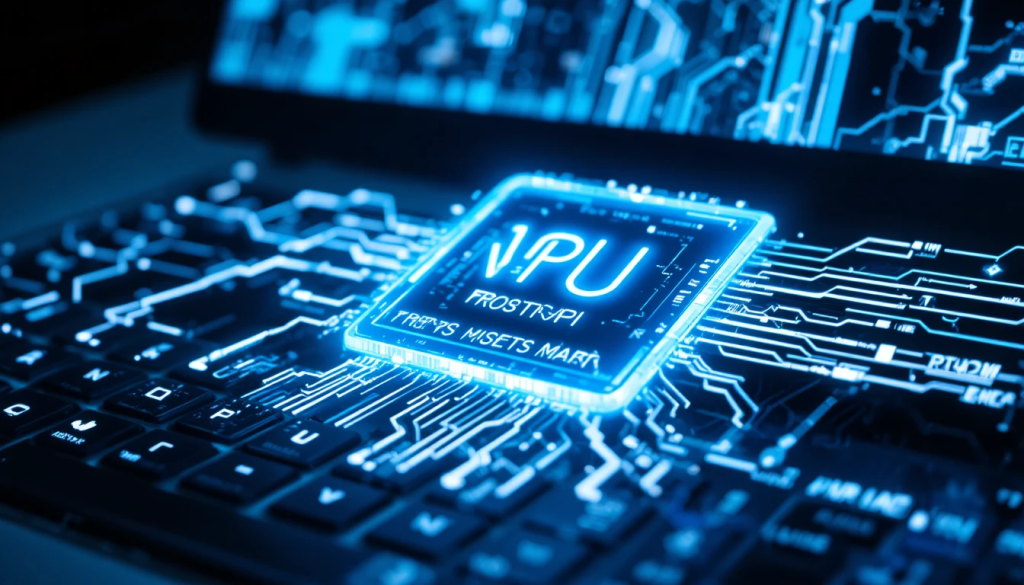
At the heart of every modern AI laptop lies an NPU (Neural Processing Unit), a dedicated chip separate from the traditional CPU and GPU. Unlike older laptops that offload AI tasks to the cloud or rely solely on the main processor, NPUs handle artificial intelligence workloads directly on the device, resulting in faster response times, better privacy, and dramatically improved battery life.
The latest processors from Intel (Core Ultra 200V series with AI Boost), AMD (Ryzen AI 9 HX Pro), Qualcomm (Snapdragon X Elite), and Apple (M3 and newer) all feature this architecture. What makes 2025 different is that these chips are no longer niche products for enthusiasts; they’ve become standard across affordable models, student laptops, and professional workstations.
This architectural shift enables features that would have been impossible just two years ago: real-time video background blur and noise cancellation during video calls, instant document summarization, on-device language translation, and predictive text that understands context rather than just pattern-matching. All of this happens without your data ever leaving your laptop, making these machines simultaneously faster and more private than their cloud-dependent predecessors.
Transforming the Workplace: Real Productivity Gains
For remote workers and office professionals, the impact of AI laptops has been measurable and immediate. Recent studies show that workers using AI-enabled laptops complete document-processing tasks up to 65% faster, while administrative workload has dropped by nearly half thanks to intelligent automation. Email filtering, automatic meeting transcription, and smart calendar management no longer require manual intervention.
Microsoft’s Copilot integration exemplifies this shift. The AI assistant understands what you’re doing—whether composing an email, preparing a presentation, or analyzing data—and offers contextually relevant suggestions without interrupting your flow. For business users, this means fewer context switches, less cognitive load, and more time spent on strategic, creative work rather than repetitive tasks.
One often-overlooked benefit is adaptive power management. AI laptops learn when you typically use your device intensively and when you use it lightly, then adjust CPU speed, screen brightness, and refresh rates accordingly. The result: professionals who once struggled to stretch a battery beyond 6 hours now routinely achieve 16–22 hours on a single charge, even with intensive workloads.
[Image Prompt 2]: A professional sitting at a home office desk using an AI laptop, multiple windows open on the screen showing productivity apps like email and documents. Natural lighting from a window, warm and inviting atmosphere, realistic photography style.

Education and Student Learning: A New Era of Personalized Study
For students, AI laptops have become something approaching personal tutors. Grammar checkers powered by neural networks don’t just flag errors; they explain why a sentence is awkward and suggest improvements that match your voice. Research becomes more efficient when an AI co-pilot can scan academic papers, summarize key points, and cross-reference citations in seconds.
Perhaps more importantly, AI laptops help students manage the overwhelming cognitive load of modern education. Real-time note-taking assistance, automatic quiz generation from lecture recordings, and AI-driven time management tools help students focus on understanding rather than drowning in data. For international students, on-device real-time translation opens access to educational resources in any language.
Battery life matters profoundly for students who move between classrooms, libraries, and study spaces throughout the day. An AI laptop that can run for 20+ hours on a single charge removes one major source of stress for anyone whose life revolves around campus or remote learning.
Security and Privacy: The AI Advantage
A often-overlooked benefit of on-device AI is enhanced security. Rather than streaming your video, voice, and biometric data to cloud servers for processing, modern AI laptops handle facial recognition, fingerprint scanning, and behavior-based security locally. This architecture means you maintain control over your most sensitive information.
Additionally, AI can detect unusual patterns that might indicate a security breach—abnormal login times, suspicious file access, or atypical network behavior—and alert you immediately.
The Hardware Revolution: Choosing Your AI Laptop in 2025
The good news for buyers is that powerful AI laptops no longer require five-figure price tags. Entry-level Copilot+ PCs with Snapdragon X Plus processors and 16 GB of RAM start around $700–$800, while premium models with Snapdragon X Elite or AMD Ryzen AI 9 top out around $2,000.
What separates a capable AI laptop from a marginal one is typically the NPU generation, RAM capacity (16 GB minimum, 32 GB ideal), and storage speed (SSD essential). For students and light professionals, mainstream Copilot+ PCs from Dell, HP, or ASUS work beautifully. For software developers, content creators, and researchers running machine learning models, higher-end configurations with dedicated GPUs become necessary.
Conclusion: The New Standard
In 2025, AI laptops are no longer a luxury or a novelty—they represent the new baseline for anyone serious about productivity, whether that’s working from a coffee shop, attending online classes, or collaborating across continents. The combination of instant on-device AI, extended battery life, and intelligent automation makes these machines meaningfully more capable and responsive than what came before.
For professionals, AI laptops compress hours of work into minutes and transform tedious tasks into automated processes. For students, they become study partners that enhance learning rather than replace it. The technology isn’t just faster; it’s fundamentally more human-centered, understanding context and adapting to individual workflows.
As these machines become more affordable and widespread, expect to see them in every workplace and classroom within the next two years. The future of portable computing isn’t just about raw speed or storage capacity—it’s about machines that learn, adapt, and amplify human creativity and productivity in real time.