
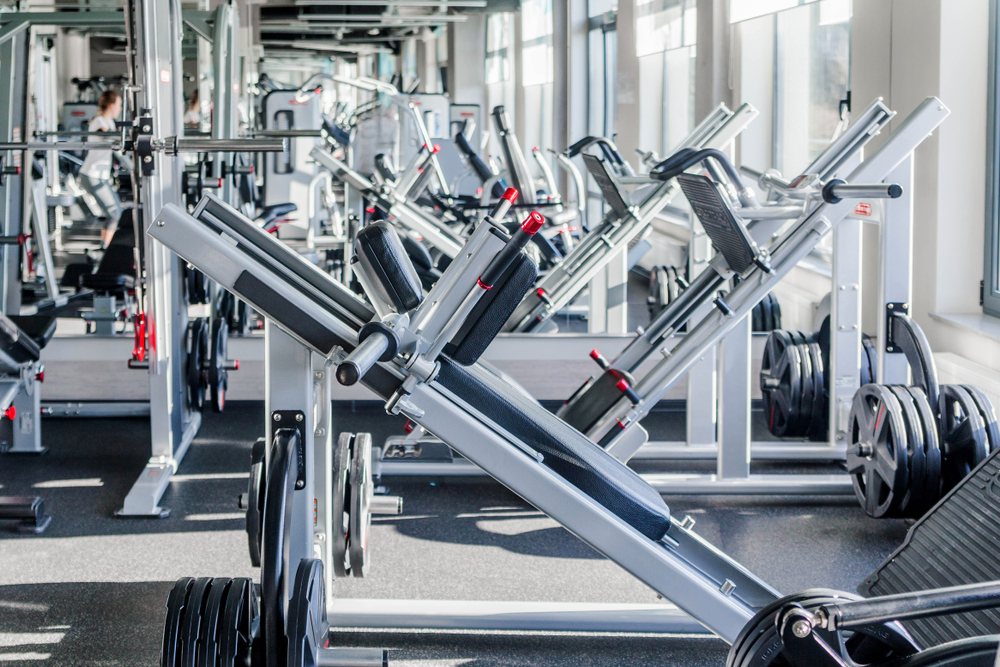
The hack squat machine is a great addition to your leg workout. It targets the quadriceps, hamstrings, and glutes. You can adjust it to fit your body for a safe and effective leg workout.

Adding the hack squat machine to your gym gear can balance your leg development. It offers various exercises for all fitness levels. This makes it a must-have for both newbies and experienced gym enthusiasts.
Key Takeaways
- Enhance your leg workout with the hack squat machine.
- Target multiple muscle groups for balanced development.
- Adjust the machine to suit your fitness level.
- Improve overall leg strength and stability.
- Integrate the hack squat machine into your gym routine.
What Is a Hack Squat Machine?
Learning about the hack squat machine can boost your leg workouts. It’s a gym tool made to work the quadriceps, hamstrings, glutes, and calves. This gives a full leg workout.
Basic Design and Components
The hack squat machine has a sled that moves on a fixed path, a backrest, and shoulder pads for support. Key parts are adjustable weights, a safety feature, and a footplate. It’s built to focus on leg muscles, making it easier to do without worrying about balance.
| Component | Function |
|---|---|
| Sled | Moves along a fixed path, targeting leg muscles |
| Backrest and Shoulder Pads | Supports the body during the exercise |
| Adjustable Weights | Allows for progressive overload and customized resistance |
How It Differs from Traditional Squats
The hack squat machine guides your movement, unlike traditional squats. This means you don’t need to use your core as much. The main differences are the fixed path and the machine’s support. This is great for beginners or those recovering from injuries.
The Evolution of the Hack Squat Machine
The hack squat machine has changed a lot over the years. It’s now a key piece of equipment in gyms everywhere. This change shows how the fitness world keeps getting better, always looking for ways to help athletes and fitness fans.
Historical Development
The hack squat machine started as a twist on the squat, aiming to work the legs differently. Its first versions were simple, with just a frame and a sled. But it quickly became popular because it was easier on the back than regular squats.
As time went on, the machine got better. Now, it has features like adjustable foot settings and shoulder pads. This lets users tailor their workouts for better results.
Modern Innovations
Today’s hack squat machines have cool features like digital controls and adjustable resistance. They also have ergonomic designs to make working out more comfortable. Some even track your workout data, giving you and your trainers useful info.
| Feature | Traditional Hack Squat | Modern Hack Squat |
|---|---|---|
| Adjustability | Limited adjustability | Highly adjustable (foot placement, shoulder pads) |
| Technology Integration | No digital features | Digital controls, data tracking |
| User Comfort | Basic ergonomic design | Advanced ergonomic design for enhanced comfort |
Benefits of Using the Hack Squat Machine
The hack squat machine is great for building muscle and is safe to use. It helps work out the legs well. This makes it a key part of any leg workout.
Muscle Development Benefits
This machine is top-notch for building muscle in the lower body. It lets users lift heavy weights safely. This helps build strength and muscle in the legs.
Safety Advantages
The hack squat machine is safer than free weights. It guides the user through a set motion. This reduces strain on the back and knees.
This is perfect for beginners or those recovering from injuries.
Rehabilitation Applications
The hack squat machine is also great for rehab. It helps strengthen muscles around the knee and hip. This is key for recovering from injuries or surgeries.
Physical therapists often suggest using it in rehab programs. It’s safe and effective.
Muscles Targeted by the Hack Squat Machine
The hack squat machine focuses on the legs and glutes. It’s great for building strength and muscle in these areas.
Primary Muscle Groups
The hack squat machine mainly works on two big muscle groups: the quadriceps and the glutes.
Quadriceps Engagement
The quadriceps help extend the knee during the hack squat. When you push the platform away, your quadriceps contract to straighten the knee.
Glute Activation
The glutes are also key, mainly in hip extension. Good form makes sure the glutes work hard throughout the exercise.
Secondary Muscle Engagement
The hack squat machine also works secondary muscles like the hamstrings, calves, and core.
Hamstrings and Calves
The hamstrings help control the movement and keep the knee stable. The calf muscles help keep the feet right on the platform.
Core Stabilization
The core muscles are vital for keeping the body stable. They make sure you stay in the right position during the exercise.
Knowing which muscles the hack squat machine targets can help you tailor your workouts. It lets you focus on the areas you want to improve.
Proper Form and Technique
Using the hack squat machine right is key to getting the best results and staying safe. Knowing how to do it right makes sure you’re working the right muscles.
Starting Position
First, sit on the hack squat machine with your back against the pad. Your feet should be shoulder-width apart on the platform. Make sure your knees are in line with your toes. Proper alignment is vital for working the muscles right and avoiding injuries.
Movement Execution
The hack squat machine has two main parts: going down and coming back up.
Descent Phase
Start by slowly lowering the weight by bending your knees. Keep your back against the pad. Go down until your thighs are almost touching the platform, or as low as you can.
Ascent Phase
Then, push through your heels to get back up to the start. Extend your knees and hips. Keep control as you go up to work the muscles better.
Breathing Pattern
Breathing right is important for keeping the right form and doing well. Breathe in as you go down, filling your lungs. Breathe out as you go up, pushing out your breath as you extend your knees and hips. Regular breathing helps keep a steady pace and improves your performance.
- Stand shoulder-width apart for better balance.
- Keep your back against the pad all the time.
- Lower the weight slowly to engage muscles better.
- Push through your heels when going up.
By paying attention to proper form and technique, you can get the most out of the hack squat machine. This will help you reach your leg-building goals.
Common Mistakes to Avoid
It’s important to know and avoid common mistakes when using the hack squat machine. This ensures you get the most out of your workout while staying safe. Being aware of these mistakes helps you have a better experience.
Form Errors
Getting the form right is key when using the hack squat machine. Bad form can make your workout less effective and even hurt you.
Knee Position Problems
Letting your knees go past your toes or inward can harm your knee. Make sure your knees stay in line with your toes to keep your alignment right.
Back Alignment Issues
Keeping your spine neutral is essential. Curving your back can cause pain and injuries. Keep your back against the pad at all times.
Loading Issues
Correctly loading the hack squat machine is as important as form. Wrong loading can ruin your workout and safety.
Excessive Weight Selection
Picking too heavy can mess up your form and increase injury risk. Start with a weight you can handle and add more as you get stronger.
Improper Weight Distribution
Make sure the weight is balanced on the machine. Uneven weight can make the machine unstable, affecting your form and safety.

Hack Squat Machine Variations
The hack squat machine is great for working out different leg muscles. You can change how you stand to focus on specific areas. This makes your workout more effective.
Foot Placement Variations
Changing where your feet are on the machine changes the workout. It’s a simple way to target different muscles.
Wide Stance for Inner Thighs
Standing wide on the machine works your inner thighs. This is good for strengthening your legs overall.
Narrow Stance for Outer Quads
Standing narrow targets your outer quads. It’s perfect for building those muscles.
Reverse Hack Squats
Reverse hack squats have you facing the pad. They work your glutes and hamstrings in a new way. It’s a great full-body exercise.
Single-Leg Variations
Single-leg hack squats are for the advanced. You do the exercise on one leg. It boosts balance and leg strength.
“Variations in foot placement and single-leg exercises can significantly enhance the effectiveness of the hack squat machine, providing a more comprehensive leg workout.
- Wide stance targets inner thighs
- Narrow stance targets outer quads
- Reverse hack squats target glutes and hamstrings
- Single-leg variations improve balance and strength
Hack Squat vs. Other Leg Exercises
When comparing the hack squat machine to other leg exercises, we see its unique benefits. It stands out from traditional squats, leg press, and Smith machine squats. Each exercise has its own set of advantages and challenges.
Hack Squat vs. Traditional Squat
The hack squat machine and traditional squat target the legs but differ in how they work. Traditional squats use free weights and engage more stabilizer muscles. In contrast, the hack squat machine guides your movement, focusing on the quadriceps, hamstrings, and glutes.
The hack squat machine is easier on the core and balance, making it great for those with mobility issues or strength imbalances.
Hack Squat vs. Leg Press
The leg press is another machine-based leg exercise, but it’s different from the hack squat machine. In the leg press, you push a platform away with your feet. The hack squat machine, on the other hand, involves squatting down on a sled.
The hack squat machine is often preferred by those with lower back issues because it doesn’t require the same arching as the leg press.
Hack Squat vs. Smith Machine Squat
The Smith machine squat is a variation of the traditional squat, using a machine for stability. While it offers more stability, it requires more core engagement than the hack squat machine. The hack squat machine is seen as safer and more controlled.
It’s a good choice for beginners or those who are concerned about form. By understanding these differences, individuals can choose the best exercises for their fitness goals.
Incorporating the Hack Squat Machine into Your Routine
The hack squat machine is great for all fitness levels. It helps improve leg strength and lower body power. Adding it to your workout can make a big difference.
For Beginners
Beginners find the hack squat machine perfect for learning squats. It’s safe and helps you learn the right form. Start with light weights and aim to move fully.
Proper form is key to avoid injury and get the most out of the exercise.
For Intermediate Lifters
Intermediate lifters can try heavier weights and change their foot placement. This targets different leg muscles. For example, higher feet work the glutes and hamstrings more.
Lower feet, on the other hand, focus on the quadriceps.
For Advanced Athletes
Advanced athletes use the hack squat machine to target specific muscles. It’s also great for adding more to leg workouts without hurting the back. This is a big plus over traditional squats.

Progressive Overload Strategies
Using the hack squat machine can really boost your leg strength. Progressive overload means slowly adding more weight to challenge your muscles. This helps them grow stronger and bigger.
Weight Progression Methods
To get stronger with the hack squat machine, try lifting more weight over time. You can add weight plates or change the machine’s load. But do it little by little to avoid injury.
For example, you might add 2.5 to 5lbs every two weeks. Just make sure you’re lifting correctly.
Volume and Frequency Considerations
Changing how often you do the hack squat can also help. Doing more sets or reps can make your muscles grow. Training your legs more often can also increase your strength.
But remember, you need time to rest and recover. Too much can lead to overtraining.
Sample Hack Squat Machine Workouts
To get the most out of the hack squat machine, it’s key to use it right in your workouts. Here are some examples to help you reach your goals, whether it’s building muscle, getting stronger, or improving endurance.
Hypertrophy-Focused Workout
For muscle growth, a hypertrophy workout is perfect. Start with 3-4 sets of 8-12 reps with a moderate weight. Make sure to control your movements and squeeze your muscles at the top. Rest for 60-90 seconds between sets for recovery.
Example Routine: 3 sets of 10 reps at 70% 1RM, resting for 75 seconds between sets.
Strength-Building Workout
For strength, use heavier weights and do 3-5 sets of 4-6 reps. Use proper form and rest for 2-3 minutes between sets to recover fully.
Example Routine: 4 sets of 5 reps at 85% 1RM, resting for 2.5 minutes between sets.
Endurance-Enhancing Workout
For endurance, aim for higher reps and lighter weights. Do 3-4 sets of 15-20 reps with a light to moderate weight. Rest for 30 seconds between sets to mimic endurance conditions.
Example Routine: 3 sets of 18 reps at 50% 1RM, resting for 30 seconds between sets.
Troubleshooting Your Hack Squat Machine Technique
Using the hack squat machine right is key. It’s not just about knowing the form. It’s also about fixing common problems like knee pain and back discomfort. This can make your workouts better.
Addressing Knee Pain
Knee pain when using the hack squat machine might mean you’re doing something wrong. Make sure your knees line up with your toes. Don’t let them go past your toes. Adjusting the footplate can also help. If the pain doesn’t go away, try using less weight or get help from a fitness expert.
| Cause | Solution |
|---|---|
| Improper Knee Alignment | Adjust knee position to align with toes |
| Excessive Weight | Reduce weight to manageable level |
Solving Back Discomfort Issues
Back pain while using the hack squat machine often comes from not enough back support or bad posture. Make sure your back is against the pad and keep your spine straight. If the pain doesn’t stop, check your form with a trainer or change the machine settings.
Fixing these common problems can make your hack squat machine workouts better. You’ll get a more effective leg workout.
Who Should Use the Hack Squat Machine
Knowing who can benefit from the hack squat machine is key. It’s a great tool for those wanting to boost their leg workouts.
Ideal Candidates
The hack squat machine is great for those who want to work their quadriceps, hamstrings, and glutes. It’s perfect for people recovering from injuries or with mobility issues that make regular squats hard. It also adds variety to leg workouts for those focusing on leg development.
| Ideal Candidate Profile | Benefits |
|---|---|
| Individuals recovering from lower back injuries | Reduced strain on the lower back |
| Those with mobility issues | Ease of use and controlled movement |
| Individuals focusing on leg development | Isolation of leg muscles |
Who Should Exercise Caution
While many can benefit, some should be careful. Those with severe knee problems or certain hip replacements should talk to a doctor first. People with knee injuries should also be cautious and might need to adjust their form.
Knowing who can use the hack squat machine and who should be careful helps make smart choices. This way, everyone can safely add it to their workouts.
Safety Considerations and Precautions
To get the most out of the hack squat machine, it’s essential to follow safety guidelines. Ensuring safety while using this equipment not only prevents injuries but also enhances the overall effectiveness of the workout.
Pre-Exercise Preparation
Before starting your workout on the hack squat machine, it’s important to prepare properly. Adjust the machine to fit your body, ensuring your back is supported, and your feet are correctly on the platform. Proper adjustment of the machine is key to preventing strain on your joints and muscles. Also, warming up before the exercise can help increase blood flow to the muscles and reduce the risk of injury.
During Exercise Safety Tips
While using the hack squat machine, maintaining proper form is vital. Keep your back against the pad, engage your core, and lower the weight down slowly. Avoid arching your back or using momentum to lift the weight, as this can lead to serious injury. It’s also important to breathe naturally during the exercise, exhaling as you push the weight away and inhaling as you return to the starting position.
| Safety Aspect | Proper Technique | Common Mistake |
|---|---|---|
| Back Support | Keep back against the pad | Arching the back |
| Foot Placement | Feet shoulder-width apart | Feet too forward or backward |
| Weight Control | Lower weight slowly, controlled movement | Using momentum to lift |
By following these safety considerations and precautions, you can ensure a safe and effective workout with the hack squat machine.
Research on Hack Squat Machine Effectiveness
Many scientific studies have looked into the hack squat machine’s effectiveness. They’ve explored its impact on muscle growth, safety, and its use in rehab.
Scientific Studies
Research shows the hack squat machine targets the quadriceps, hamstrings, and glutes well. A study in the Journal of Strength and Conditioning Research found it activates these muscles significantly. Another study pointed out its safety, saying it’s good for those with back problems because it doesn’t put as much strain on the lower back as regular squats do.
Practical Applications
The hack squat machine is a key part of many strength training programs. It helps build leg strength and muscle. It’s also useful in rehab because it allows for controlled movements and lowers injury risk. Knowing how it works helps users get the most out of their workouts.

Conclusion
The hack squat machine is a great tool for building strong legs. It helps you understand its benefits and how to use it right. This way, you can make your leg workouts better.
Using it correctly means doing the right form and adding weight slowly. It helps grow your muscles and get stronger. Adding it to your workout can help you reach your fitness goals faster.
Many studies show it’s good for strengthening your legs and growing muscle. By following the tips, you can use the hack squat machine well. This will help you have a stronger lower body.
FAQ
What is a hack squat machine?
A hack squat machine is a piece of equipment for strength training. It targets the legs, focusing on the quadriceps, hamstrings, and glutes.
How does the hack squat machine differ from traditional squats?
The hack squat machine guides your movement. This reduces the need for core stabilization. It lets you focus more on your leg muscles.
What are the benefits of using the hack squat machine?
Using the hack squat machine can increase muscle mass in your legs. It also improves strength and reduces injury risk compared to traditional squats.
How do I properly use the hack squat machine?
Start by adjusting the machine to fit your body. Then, perform the squat with a controlled movement. Avoid jerky or bouncy actions.
What are some common mistakes to avoid when using the hack squat machine?
Avoid using too much weight. Don’t fail to extend your legs fully. Also, make sure your knees don’t extend past your toes.
Can the hack squat machine be used for rehabilitation purposes?
Yes, it can be used for rehabilitation. It offers a controlled and safe movement. This can help strengthen your legs after an injury.
How often should I use the hack squat machine in my workout routine?
The frequency depends on your fitness goals and current routine. Use it 1-2 times a week as part of your leg day.
Can I use the hack squat machine if I have knee problems?
If you have knee problems, consult a healthcare professional or fitness expert. They can help determine if it’s safe for you.
Are there any variations of the hack squat machine exercise?
Yes, there are variations. You can change foot placement, use different stances, or try single-leg hack squats.
How does the hack squat machine compare to other leg exercises like the leg press?
Both target the legs, but the hack squat machine focuses more on the quadriceps and glutes. The leg press is more versatile, depending on foot placement.