
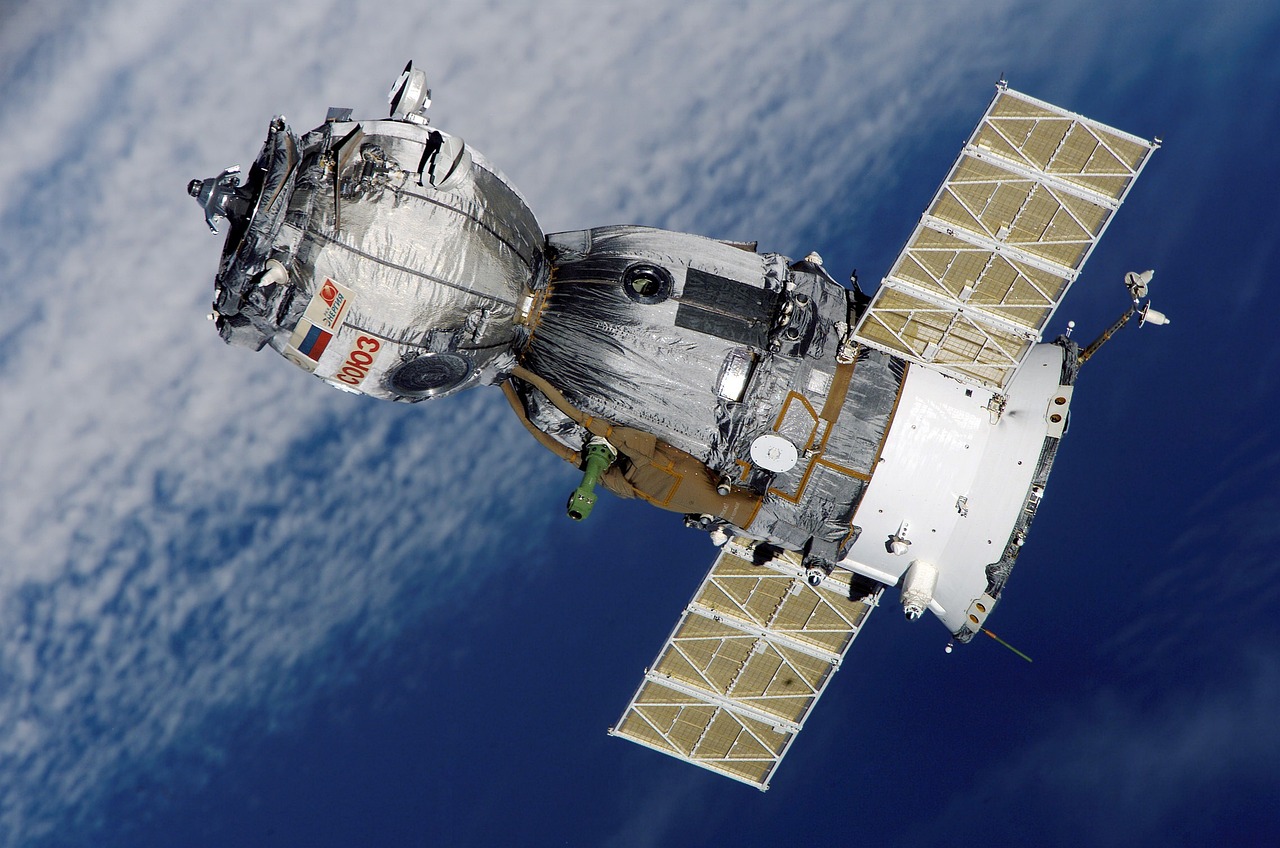
Starlink Satellite is going to let people make calls on their phones. This is a deal for Starlink Satellite. People will be able to use Starlink Satellite to talk on their phones.
* They can make calls from anywhere
* They can use Starlink Satellite on their phones to stay in touch with people
Starlink Satellite is making it possible for people to make calls on their mobile phones. This is really cool, for people who use Starlink Satellite and mobile phones.
Imagine you are really far away from everything and you can still talk to people. Starlink satellite connectivity is making a difference in how people communicate with each other. Starlink satellite connectivity lets people stay in touch with each other no matter where they are in the world. You can use Starlink satellite connectivity to call or send messages to people when you are in remote places. Starlink satellite connectivity is really good at helping people stay connected, to each other all the time.
This new tech is set to change mobile communication. It makes it possible to make satellite calls on mobile phones without needing special gear.

The world is getting more connected, and people are excited about Starlink IPO. Investors and tech fans are watching closely.
Key Takeaways
- Starlink satellite connectivity enables communication in remote areas.
- The technology allows for satellite calls on mobile phones without specialized equipment.
- Starlink is poised to revolutionize the mobile communication landscape.
- The Starlink IPO is generating significant interest.
- This innovation is making global connectivity more accessible.
The Evolution of Mobile Connectivity
The world of mobile connectivity has changed a lot. It started with 1G technology. Now, we have big steps forward in technology and how we use it.
From 1G to 5G
1G brought us analog voice calls. Then, 2G came with digital tech. 3G made data faster, and 4G brought high-speed data. Now, 5G is here with even faster speeds, lower delays, and better connections. Each step has made things better and added new features.
The Remaining Connectivity Gap
Even with all these improvements, there’s a big gap in connectivity. Many rural and remote places don’t have good mobile service. This makes talking and doing business hard.
Dead Zones and Rural Challenges
In rural areas, mobile signals are often weak or missing. This is because of the land and the cost of setting up networks.
The Need for Universal Coverage
We need everyone to have mobile service.
“Universal coverage is not just a technological challenge, but also a socio-economic imperative.”
Starlink’s satellite tech is one way to solve this problem.
Understanding Starlink Satellite Technology
Starlink satellite technology is changing how we communicate worldwide. It offers fast internet through a network of Low Earth Orbit (LEO) satellites. This means you can make Starlink satellite calls on mobile phones, a big deal in the tech world.
How Low Earth Orbit (LEO) Satellites Work
LEO satellites are about 550 kilometers above Earth. This is much closer than old satellites. It makes data send faster and with less delay.
Orbital Mechanics and Coverage Patterns
The Starlink system uses complex orbits to cover the globe. Satellites are spread across many orbits. This way, at least one satellite is always in view, anywhere on Earth.
Latency Advantages Over Traditional Satellites
LEO satellites cut down on latency. Signals travel a shorter distance, making data send quicker. This is great for real-time talks.
Starlink’s Satellite Constellation Architecture
The Starlink constellation is a complex network of satellites. They work together for seamless internet. The design aims for the best coverage and efficiency.
Satellite Density and Distribution
Starlink uses a lot of satellites in many orbits. This high density ensures reliable and consistent internet for users.
Inter-Satellite Communication
Starlink satellites can talk to each other directly. This advanced tech makes a strong, flexible network. It meets changing user needs.
Starlink Satellite Calls on Mobile Phones: The Technology Explained
Starlink’s direct-to-cell technology is changing how we make calls on our phones. It lets us make satellite calls on regular smartphones. This means you don’t need special equipment to use it.
Starlink uses a group of satellites in Low Earth Orbit (LEO) to connect us. This connection is strong, even where cell phones usually don’t work.
Direct-to-Cell Technology
Starlink’s tech lets satellites talk to our phones easily. It uses smart signal processing and manages frequencies well.
How Signals Reach Standard Smartphones
Starlink’s satellites send signals to our phones on a special frequency. This makes sure the signal is strong enough for our phones to catch without extra gear.
Frequency Bands and Signal Processing
Starlink picks the right frequencies and uses advanced signal processing. This keeps the connection stable and clear for calls and data.
Hardware Requirements for Mobile Devices
Starlink’s tech doesn’t need special hardware for phones. But, some phones work better, and you might need a software update.
Compatible Phone Models
Many smartphones work with Starlink. You can find a list of them on the Starlink website.
Software Updates and Requirements
To work best, you might need to update your phone’s software. Starlink has instructions on their website for this.
The Partnership Between Starlink and Mobile Carriers
Starlink is teaming up with big mobile carriers to change how we connect. They want to bring satellite internet to phones, helping people in far-off places get online.
T-Mobile and Starlink Collaboration
T-Mobile, a huge name in US mobile, is working with Starlink. They’re using Starlink’s tech to make mobile coverage better. This means you can stay connected, even where normal networks fail.
Coverage Integration Strategy
They’re mixing T-Mobile’s ground network with Starlink’s satellites. This mix gives you a strong connection, no matter where you are. It’s all about making sure you stay online smoothly.
Subscription Models and Pricing
T-Mobile and Starlink have plans for everyone. They’re priced to be affordable, so more people can use them. You can choose from plans for yourself, your family, or your business.
Other Global Telecom Partnerships
Starlink isn’t just working with T-Mobile. They’re teaming up with carriers all over the world. This helps them cover more ground and reach more people.
International Carrier Agreements
Starlink has deals with carriers in many countries. These partnerships help them share resources and know-how. It’s all part of their plan to lead in satellite mobile connectivity.
Regulatory Hurdles by Region
Even with partnerships, Starlink faces rules in different places. Each country has its own rules for satellite and mobile services. Getting past these rules is key to Starlink’s global plans.

Starlink Gen 3 Satellites: Capabilities and Improvements
Gen 3 satellites from Starlink are set to bring big changes to satellite internet. They aim to make global communication faster and more reliable.
Technical Specifications
The Gen 3 satellites have new tech that’s a big step up from before. These upgrades are key for better internet services.
Size and Power Capabilities
The Gen 3 satellites are more powerful and efficient. They have advanced power that lets them send a stronger signal. This means better internet for users.
Transmission Capacity
The Gen 3 satellites can send data faster. This makes internet performance and user experience better.
Enhanced Mobile Connectivity Features
The Gen 3 satellites are great for mobile use in remote or underserved areas.
Dedicated Mobile Bandwidth
These satellites give users dedicated mobile bandwidth. This means consistent and reliable internet on mobile devices.
Adaptive Beamforming Technology
Starlink’s Gen 3 satellites use adaptive beamforming technology. This tech lets the satellites adjust their beams for better coverage and less interference.
With Gen 3 satellites, Starlink is leading the way in satellite internet. They promise faster download speeds and more reliable connections.
Coverage Areas and Global Availability
Starlink is changing how we connect by reaching areas where old networks can’t. Its Low Earth Orbit (LEO) satellites are making the world more connected.
Current Coverage Map
The current map shows how far Starlink’s reach is. You can see if it’s available in your area on the Starlink website.
US Coverage Status
In the US, Starlink is making a big difference. It’s now in many rural and remote spots, improving mobile access.
International Availability
Starlink is growing globally, with services in many countries. It’s working hard to cover the whole world, with more launches and approvals.
Expansion Timeline and Projections
Starlink plans to grow fast, adding more coverage and users. It expects a big jump in users and areas covered soon.
Upcoming Service Areas
Starlink will soon reach more areas in the US and abroad. It’s targeting places with little or no internet, aiming for reliable mobile service.
Regulatory Approval Status by Region
Getting approvals is key for Starlink’s growth. It’s working with regulators worldwide to meet rules and get the green light for its services.
User Experience: What to Expect from Starlink Mobile Connectivity
Starlink is changing how we connect with each other. It promises better mobile connectivity. We’ll look at what users can expect, including call quality, data speeds, and any limits.
Call Quality and Reliability
Users want to know about call quality and reliability with Starlink. It aims to offer clear and consistent voice calls in areas where other networks fail.
Voice Call Performance
Starlink’s voice calls are expected to be top-notch. They’ll have low latency and high-quality audio. This is thanks to advanced satellite tech and signal processing.
Text and Messaging Capabilities
Starlink also supports text and messaging. Users can expect reliable and fast message delivery. It’s great for those in remote or underserved areas.
Data Speeds and Limitations
Data speeds are key for mobile connectivity. Starlink aims to match traditional networks with fast and reliable data transfer.
Realistic Expectations for Mobile Data
Starlink promises fast data, but actual speeds depend on several factors. Users can expect speeds of 50 to 150 Mbps. Some areas might see speeds up to 200 Mbps.
Weather and Environmental Factors
Weather and environment can affect Starlink’s performance. Heavy rain, fog, or satellite misalignment might reduce signal quality. But, the tech is designed to handle these issues.
| Feature | Starlink Performance |
|---|---|
| Voice Call Quality | High-quality audio, minimal latency |
| Data Speeds | 50-150 Mbps (up to 200 Mbps in some areas) |
| Messaging Services | Reliable and fast message delivery |
Starlink Download Speed: Performance Analysis
Starlink’s download speeds are changing how we connect on the go. It’s important to understand how it performs as it gets better.
Real-World Speed Tests
Speed tests show Starlink can offer fast download speeds. These tests are done in many places to show how well the service works.
Urban vs. Rural Performance
In cities, Starlink’s speeds are up there with other mobile networks. But in rural areas, it beats them because it can reach places others can’t.
Peak vs. Average Speeds
Download speeds can change based on the time and how busy the network is. At its best, Starlink can hit 200 Mbps. On average, it’s around 100 Mbps.
Comparison with Traditional Mobile Networks
Starlink’s speeds are compared to other mobile networks. Here’s a quick look at the main differences.
| Network | Average Download Speed | Peak Download Speed |
|---|---|---|
| Starlink | 100 Mbps | 200 Mbps |
| 5G | 150 Mbps | 500 Mbps |
| 4G LTE | 50 Mbps | 100 Mbps |
5G vs. Starlink Connectivity
5G networks are fast in areas with lots of coverage. But Starlink offers a steady connection everywhere.
Latency Considerations
Latency is key when looking at Starlink’s performance. With latency as low as 20 ms, it’s on par with many mobile networks.
Starlink’s download speeds make it a good choice for many, even in areas without good mobile service. As it gets even better, we can look forward to even faster speeds.

Emergency and Remote Applications
Starlink has changed how we talk in emergency and remote places. It uses a strong satellite network to connect where it’s most needed. This has changed how we handle disasters and stay in touch on remote adventures.
Disaster Response Communication
In disasters, old ways of talking often break down, leaving areas cut off. Starlink’s satellites help, letting emergency teams work together better.
Hurricane and Wildfire Use Cases
Starlink is key during hurricanes and wildfires. It keeps emergency teams and centers talking, even when phones don’t work.
Integration with Emergency Services
Starlink is teaming up with emergency services to speed up help and planning. This teamwork makes getting help faster and more organized.
Adventure and Expedition Connectivity
Starlink is also changing how adventurers and explorers stay in touch in far-off places. It works for climbing mountains, sailing, or exploring the wild, keeping them connected.
Mountaineering and Wilderness Applications
For those climbing mountains or exploring the wild, Starlink is a vital tool. It lets them talk to base camps and get help, making their adventures safer.
Marine and Offshore Usage
Starlink is also used in the sea and on oil rigs, where it’s hard to get online. It helps with sailing trips, oil rig work, and other sea activities.
With Starlink accessories like the Starlink Mini Router and Starlink Mesh Nodes, users can get even better internet. These tools are great for emergencies and remote spots, adding flexibility and reliability.
Starlink Accessories for Enhanced Mobile Experience
The Starlink system comes with various accessories for mobile needs. These items aim to boost your experience, giving you a better and more reliable connection.
Starlink Mini Router
The Starlink Mini Router is small and easy to carry. It’s perfect for those who need a fast and stable internet connection on the move. Its size makes it simple to take with you, ensuring you’re always connected.
Starlink Mesh Nodes
For bigger spaces or stronger networks, Starlink Mesh Nodes are great. They create a robust Wi-Fi network across your area. Setting them up is straightforward, making them a handy choice for expanding your network.
Mobile-Specific Accessories
Starlink also has accessories made just for mobile use. These include power solutions and signal boosters to improve your connection.
Power Solutions for Remote Areas
In remote spots, a good power source is key. Starlink’s power accessories keep your devices charged, even when you’re far from power. They’re portable and efficient, ensuring you stay connected.
Signal Boosters and Enhancers
Signal boosters and enhancers can greatly enhance your mobile connection. They amplify the signal, giving you a stronger and more reliable connection. They’re great for areas with weak signals.

Starlink Installation and Setup for Mobile Users
The Starlink system is made for easy mobile setup. It keeps you connected wherever you go. This section will guide you through the process.
Setting Up Your Mobile Device
To start with Starlink on your mobile, follow these steps:
App Configuration Process
- Download and install the Starlink app.
- Open the app and follow the prompts.
- Make sure your device is connected to the Starlink network.
Account Management
- Check your data usage in the app.
- Update your settings as needed.
- Get customer support directly through the app.
Troubleshooting Common Connection Issues
Even though Starlink is reliable, you might face connection problems. Here are common issues and how to fix them:
Signal Acquisition Problems
If you’re having trouble getting a signal, check a few things. Make sure your device can see the sky clearly. Also, avoid any blocks or obstructions.
Software Update Procedures
Keeping your software up to date is key for the best performance. Look for updates in the app. Then, follow the instructions to install the latest version.
By following these tips, you can have a smooth Starlink experience on your mobile device.
Starlink Competitors in the Satellite Mobile Communication Space
Starlink is changing the game with satellite internet. It’s important to look at who else is in the race. The satellite mobile communication market is getting more crowded, with new players stepping up to challenge Starlink.
Iridium and Globalstar
Iridium and Globalstar are well-known in the satellite mobile communication field. Iridium has 66 active satellites, covering the globe for voice and data. Globalstar focuses on IoT services with its satellite-based offerings. Both companies are strong contenders against Starlink.
Amazon’s Project Kuiper
Amazon’s Project Kuiper is a big name in the satellite mobile communication market. It plans to launch 3,236 satellites for global broadband. With Amazon’s resources, Project Kuiper is set to be a major force in satellite internet.
OneWeb and Other Emerging Players
OneWeb is also making waves with its 648-satellite constellation for global broadband. Telesat and AST SpaceMobile are joining the fray with their own satellite projects. This competition will push innovation and better services, benefiting everyone.
The battle between Starlink and its competitors will only get fiercer. As satellite internet demand grows, the companies that offer the best services will thrive. This market is changing fast, and only the most reliable and affordable services will win.
| Company | Satellite Constellation | Services Offered |
|---|---|---|
| Iridium | 66 active satellites | Voice and data communications |
| Globalstar | 24 satellites | Satellite-based voice and data services, IoT applications |
| Amazon’s Project Kuiper | 3,236 satellites | Global broadband coverage |
| OneWeb | 648 satellites | Global broadband coverage |
Is Starlink Worth It for Mobile Users?
Figuring out if Starlink is good for mobile users means looking at its pros and cons. We must think about how it changes mobile internet and its value. It’s key to weigh the costs against the benefits and find out who it’s best for.
Cost-Benefit Analysis
To decide if Starlink is worth it, we must look at the costs and compare them to the advantages. We need to understand the subscription plans and pricing. Also, we should see if it’s a good deal for different types of users.
Subscription Plans and Pricing
Starlink has plans for various needs. Its prices are competitive with other satellite internet services. Mobile users should also think about the cost of Starlink accessories, like the Starlink Mini Router and Mobile-Specific Accessories.
ROI for Different User Types
The return on investment (ROI) for Starlink changes based on the user’s needs. For example, remote workers and digital nomads who need reliable internet in remote spots might find it very useful. But, users who don’t need much internet might not see as much benefit.
Ideal Use Cases and Scenarios
Starlink works best in certain situations where regular mobile internet is hard to get. Knowing these situations helps figure out if Starlink is a good choice for mobile users.
Remote Workers and Digital Nomads
For remote workers and digital nomads, Starlink means fast and reliable internet in places where it’s hard to find. This can be a game-changer for productivity and connectivity. It lets professionals work from anywhere without internet worries.
Rural Residents and Businesses
Rural folks and businesses also gain a lot from Starlink. It’s a better option than traditional internet services that might not work well in these areas. Starlink brings better internet to rural communities for work and personal use.
Conclusion: The Revolutionary Impact of Starlink on Global Communication
Starlink’s satellite tech is changing how we connect while moving. It lets us make starlink satellite calls on mobile phones. This is helping people in far-off and less connected places.
The Starlink Gen 3 satellites offer quicker data and better connections. This tech could change how we talk to each other. It makes it easier to keep in touch with family and get important info when it matters most.
As Starlink grows and gets better, we’ll see new uses for it. It’s all about fast, reliable, and worldwide internet. Starlink is set to leave a big mark on how we communicate.
FAQ
What is Starlink’s direct-to-cell technology?
Starlink’s direct-to-cell technology lets you connect your smartphone to Starlink satellites. This is great for areas with no cell service.
Is my phone compatible with Starlink’s satellite connectivity?
It depends on your phone model and software. Check with Starlink or your carrier for details and updates.
How does Starlink compare to traditional 5G networks in terms of speed?
Starlink’s speeds can match 5G, but it’s better in rural areas. Speeds vary based on coverage and user density.
Can I use Starlink for emergency communication during natural disasters?
Yes, Starlink works for emergencies when other networks fail. It’s a reliable backup.
What accessories are available to enhance my Starlink mobile experience?
Starlink has many accessories. You can get the Starlink Mini Router, mesh nodes, and more. There are also power solutions and signal boosters for mobile use.
How do I troubleshoot common connection issues with Starlink?
First, check your signal and software updates. Make sure your account and app settings are right. Starlink’s support has detailed guides for troubleshooting.
Is Starlink available internationally?
Starlink is growing globally. Check the Starlink coverage map for updates on your area and new service areas.
What are the costs associated with using Starlink for mobile connectivity?
You’ll pay for subscription plans and maybe hardware. Look at Starlink’s pricing to find the best fit for you.
How does Starlink’s latency compare to traditional satellite or 5G networks?
Starlink’s satellites have lower latency than old satellites. It can be as fast as 5G in some cases, depending on your use and network.
Can I use Starlink for data-intensive activities like streaming or online gaming?
Starlink works for data-heavy tasks, but it depends on your plan and area. Check Starlink’s data limits and speeds in your area to see if it’s right for you.