
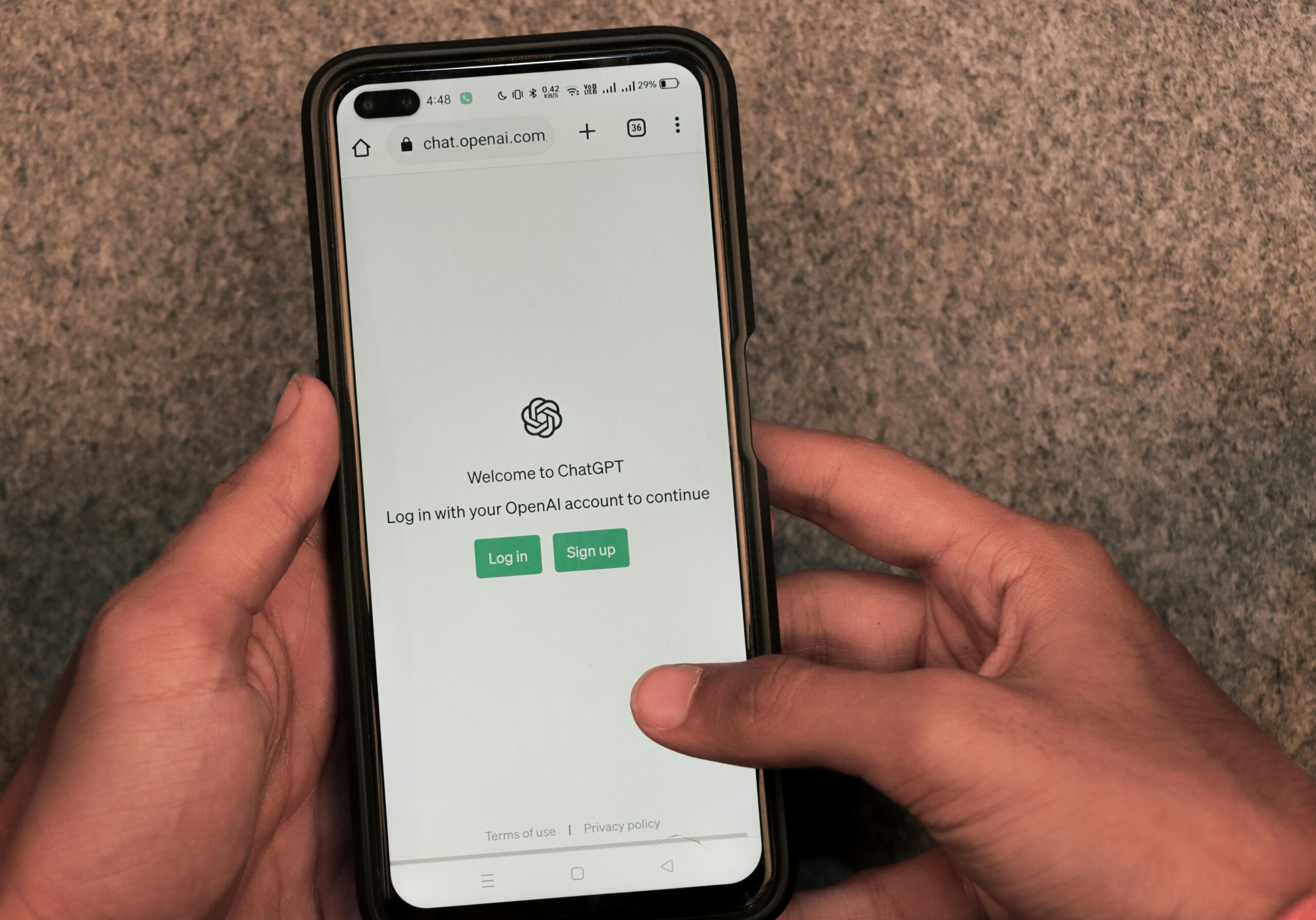
GPT-5-Nano: The Compact AI Solution for Your Next Big Idea
Can a small AI model change how we use AI on phones? OpenAI’s latest innovation, GPT-5-Nano, is here to make a big impact. This compact AI model is perfect for on-device processing. It’s great for both developers and mobile users.

Developers can use GPT-5-Nano in their projects. This means they can use advanced AI without needing the internet. It makes things better for users and keeps their data safe.
Key Takeaways
- GPT-5-Nano is a compact AI model designed for on-device processing.
- It enables developers to integrate advanced AI into mobile applications.
- Enhances user experience and ensures data privacy.
- Ideal for mobile users and developers.
- Represents a significant innovation from OpenAI.
Unveiling GPT-5-Nano: OpenAI’s 2026 Compact AI Revolution
The year 2026 is a big deal for artificial intelligence with GPT-5-Nano from OpenAI. This small AI model is set to change how we use technology. It will make things easier and more efficient. Let’s dive into OpenAI’s journey and what makes GPT-5-Nano special.
The Evolution of OpenAI’s Compact Models
OpenAI has led in AI innovation, always pushing new limits. Their focus on compact models has led to big improvements. GPT-5-Nano is the latest, with better performance and efficiency.
GPT-5-Nano improves on earlier models with better on-device processing and efficiency. It’s perfect for many uses, from phones to edge computing.
| Feature | Description |
|---|---|
| On-Device Processing | Enables AI processing directly on devices, reducing reliance on cloud connectivity. |
| High Efficiency | Optimized for performance, ensuring fast and accurate results. |
| Low Latency | Designed to minimize delays, providing a seamless user experience. |
Key Features and Capabilities
GPT-5-Nano has many features that make it useful for developers and users. Some key abilities include:
- Advanced Language Understanding: GPT-5-Nano can understand language better, making interactions more natural.
- Enhanced Security: With on-device processing, it keeps information safe.
- Versatility: It can be used in many applications, from virtual assistants to data analysis tools.
Exploring GPT-5-Nano shows its huge impact on many industries. Its small size and strong features make it a big deal in AI.
The Technology Behind GPT-5-Nano
GPT-5-Nano has a on-device processing architecture that changes AI. It works well without needing the cloud. This makes it great for many uses.
On-Device Processing Architecture
This architecture is a big deal in AI. It lets GPT-5-Nano work faster and keep data private. It’s perfect for tasks that need quick action.
Efficiency Improvements in the 2026 Release
The 2026 version of GPT-5-Nano gets even better. It uses less resources and works faster. This means more people can use it, even those with limited resources.
- Enhanced algorithmic efficiency
- Optimized memory usage
- Increased processing speed
Low Latency Design Principles
GPT-5-Nano’s low latency design makes it fast. It quickly responds to what users do. This gives users a smooth experience.
“The low latency of GPT-5-Nano is a critical factor in its ability to deliver real-time interactions, making it an invaluable tool for applications requiring immediate feedback.”
In summary, GPT-5-Nano leads in AI thanks to its tech. Its architecture, efficiency, and speed make it a top choice.
Why GPT-5-Nano is Revolutionary for Developers
GPT-5-Nano is changing the game for developers. It brings new features that make coding easier and faster. This AI tool is all about making your work more efficient.
Integration Capabilities for Mobile Applications
GPT-5-Nano makes it easy to add AI to mobile apps. This means better apps for users and new ways to create them.
- Easy integration with existing mobile app frameworks
- Enhanced AI capabilities for improved user interaction
- Streamlined development process with pre-built APIs
Resource Requirements and Optimization
GPT-5-Nano is great for saving resources. It works well even on devices with less power. This means you can focus on your project without worrying about performance.
Key benefits include:
- Reduced computational resource requirements
- Optimized performance for low-power devices
- Efficient use of memory and processing power
Developer-Friendly Features
GPT-5-Nano is made for developers. It has features that make it easy to use and integrate. You’ll find everything you need to start right away.
Some of the developer-friendly features include:
- Detailed documentation and guides
- Flexible and customizable APIs
- Robust support and community forums
GPT-5-Nano vs. Gemini 3: A Detailed Comparison
AI technology keeps getting better, and GPT-5-Nano and Gemini 3 are leading the way. We’ll look at how they compare in processing speed, cost, accuracy, and flexibility.
Processing Speed and Response Time
Speed is key for apps that need quick responses. GPT-5-Nano is made for fast on-device processing, cutting down on delays. Gemini 3, though powerful, often uses cloud processing, which can slow things down.
GPT-5-Nano responds in about 50 milliseconds, while Gemini 3 takes around 80 milliseconds. This speed difference is important for apps that need fast feedback.

Token Cost Analysis
Token cost matters a lot for developers working with big data or high-traffic sites. GPT-5-Nano is cheaper, with a token price that’s 30% lower than Gemini 3.
| Model | Token Cost per 1K Tokens |
|---|---|
| GPT-5-Nano | $0.005 |
| Gemini 3 | $0.007 |
Accuracy and Output Quality
Both models are accurate, but in different ways. GPT-5-Nano is trained for specific tasks, making it better in certain areas. Gemini 3, with its wider training, is more versatile.
“The specificity of GPT-5-Nano’s training data gives it an edge in certain applications, but Gemini 3’s broader training makes it more versatile.”
Integration Flexibility
For developers, how easy a model is to integrate is key. GPT-5-Nano is easy to set up thanks to its design and API. Gemini 3 is flexible but needs more work to get started.
In summary, GPT-5-Nano and Gemini 3 each have their own strengths. GPT-5-Nano is great for fast, affordable apps. Gemini 3 is better for complex, varied tasks.
GPT-5-Nano vs. Claude Opus 4.1: Battle of Compact AI Models
In the fast-changing world of AI, GPT-5-Nano and Claude Opus 4.1 are leading the way. They are small but powerful AI models changing the game. This section compares them, looking at how well they perform, their cost, special skills, and where they can be used.
Performance Benchmarks
Both GPT-5-Nano and Claude Opus 4.1 show great skills. GPT-5-Nano is quick, perfect for tasks that need to happen fast. Claude Opus 4.1 is great at solving tough problems, thanks to its smart thinking engine.
| Model | Processing Speed | Task Handling |
|---|---|---|
| GPT-5-Nano | Fast | Real-time Applications |
| Claude Opus 4.1 | Moderate | Complex Task Handling |
Cost-Efficiency Comparison
Cost matters a lot when choosing AI models. GPT-5-Nano is cheaper because it’s designed to save money. Claude Opus 4.1 has a flexible price that fits different needs, so you only pay for what you use.
“The cost-efficiency of AI models is key for businesses wanting to use AI without spending too much.”
Specialized Capabilities
Each model has its own special talents. GPT-5-Nano can handle many types of data, making it versatile. Claude Opus 4.1 focuses on making accurate results, ideal for tasks needing precision.
Use Case Scenarios
Choosing between GPT-5-Nano and Claude Opus 4.1 depends on what you need. GPT-5-Nano is best for quick data work and handling different types of data. Claude Opus 4.1 is better for solving hard problems and needing exact results.
In summary, both GPT-5-Nano and Claude Opus 4.1 have great features for different needs. Knowing their strengths and weaknesses helps make the right choice.
The Complete GPT-5-Nano API Features Guide
The GPT-5-Nano API is a powerful tool for adding advanced AI to your apps. This guide will cover its main features and benefits.
API Structure and Documentation
The GPT-5-Nano API has a simple design, making it easy to use. The API documentation is detailed, with clear steps and examples. This helps developers start quickly.
Cost-Effective Scaling Solutions
The GPT-5-Nano API is great for scaling without breaking the bank. It uses resources wisely, helping developers stay within budget. This way, they can create high-performance AI apps.

Implementation Examples
The GPT-5-Nano API comes with many implementation examples. These examples show how to use the API for common tasks. They help developers use the API’s features well.
Security and Compliance Features
Security is a big deal for the GPT-5-Nano API. It has strong security features like data encryption and secure login. These ensure it meets industry standards.
Using the GPT-5-Nano API, developers can make innovative AI solutions. These solutions are both powerful and safe. Whether you’re improving your apps or starting new ones, the GPT-5-Nano API has what you need to succeed.
Major Improvements Over GPT-4
GPT-5-Nano is a big leap over GPT-4. It has more advanced features and is more efficient.
Enhanced Reasoning Engine
GPT-5-Nano has a new reasoning engine. This engine can solve complex problems and understand things better. It makes decisions more accurately.
OpenAI says, “GPT-5-Nano’s new engine is a big step in AI. It lets us do more complex things.”
“The advancements in GPT-5-Nano’s reasoning capabilities open up new possibilities for AI-driven solutions.”
Multimodal Capabilities
GPT-5-Nano can now handle text, images, and other media. This makes it a more useful tool for developers.
| Feature | GPT-4 | GPT-5-Nano |
|---|---|---|
| Text Processing | Yes | Yes |
| Image Processing | No | Yes |
| Multimodal Output | No | Yes |
Efficiency and Speed Upgrades
GPT-5-Nano is faster and uses less power. It’s great for running on devices.
Context Window Enhancements
GPT-5-Nano can handle longer inputs better. It’s good at detailed conversations and big documents.
GPT-5-Nano is a big step in AI. It’s more powerful and useful than GPT-4.
Understanding the 2026 Rollout Plan for GPT-5-Nano
OpenAI is getting ready to launch GPT-5-Nano in 2026. This is a big deal for the AI world. They have plans to make sure it goes smoothly everywhere.
Global Availability Timeline
The plan is to make GPT-5-Nano available worldwide. First, it will start in North America and Europe in early 2026. Then, it will spread to other places.
Regional Release Strategies
Each region will get GPT-5-Nano in its own way. For example:
- North America: Early users will get all the features, like advanced AI.
- Europe: It will follow local laws to protect data.
- Asia-Pacific: It will start in countries like Japan and South Korea first.
Subscription Tiers and Access Levels
GPT-5-Nano will come in different plans. Each plan is for different users:
- Basic Tier: Good for solo developers and small companies, with basic AI tools.
- Premium Tier: For big companies, it has more features, better support, and security.
- Enterprise Tier: For huge organizations, it offers special setups and AI models.

The 2026 plan for GPT-5-Nano is detailed. It aims to reach everyone while respecting local needs.
Troubleshooting: Why You Can’t Access GPT-5
If you’re having trouble with GPT-5-Nano, you’re not alone. There are steps you can take to fix the problem. Many people have solved their access issues by following these tips.
Common “GPT-5 Not Showing” Issues Explained
Several things can make GPT-5-Nano hard to see or use. These include:
- Outdated browser cache and cookies
- Insufficient or inactive GPT-5 Pro subscription
- VPN or network configuration issues
Technical Solutions and Workarounds
To fix access problems, try these technical fixes:
Clearing Cache and Cookies
Clearing your browser’s cache and cookies can often solve the problem. This varies by browser. But usually, you go to your browser’s settings and clear browsing data.
Checking GPT-5 Pro Subscription Status
Make sure your GPT-5 Pro subscription is active. Check this in your account settings. If it’s not active, renewing it should fix the issue.
VPN Usage Considerations
VPNs can sometimes block access to GPT-5-Nano. Try turning off your VPN to see if it helps. If it does, you might need to adjust your VPN settings or ask your provider for help.
By trying these steps, most users can fix common access problems with GPT-5-Nano. If you’re stuck, don’t hesitate to contact support for more help.
Scaling Your Big Ideas on a Budget with GPT-5-Nano
Scaling big ideas doesn’t have to be expensive, thanks to GPT-5-Nano’s cost-effective solutions. This AI model offers top-notch performance at a lower cost. It’s perfect for startups and businesses wanting to get the most out of their money.
Cost-Effective Implementation Strategies
One big plus of GPT-5-Nano is its cost-effective implementation. Businesses can cut costs without losing quality. They do this by optimizing resources, streamlining processes, and automating tasks with the model’s advanced features.
Optimizing Resource Usage
Optimizing resource usage is key for growing businesses. GPT-5-Nano lets companies fine-tune resources to fit their needs. This approach saves money and boosts productivity.
Case Studies: Startups Leveraging GPT-5-Nano
Many startups are using GPT-5-Nano to grow. For example, a tech startup made an AI chatbot that cut customer service costs. Another startup used it to analyze market trends, helping them make smart decisions and stay competitive.
Conclusion: Is GPT-5-Nano Right for Your Next Big Idea?
GPT-5-Nano is a game-changer for developers and businesses. It has a powerful reasoning engine and can handle different types of data. This makes it a great choice for those who want to use AI without spending a lot.
Think about what you need for your project. If you want something affordable but high-performing, GPT-5-Nano is a good pick. It’s flexible and works well for both new and established companies.
Whether GPT-5-Nano is right for you depends on your project’s needs. By looking at its benefits and features, you can decide if it’s the best choice for your next big idea.
FAQ
What is GPT-5-Nano, and how does it differ from previous OpenAI models?
GPT-5-Nano is a new AI model from OpenAI. It’s made for use on devices, perfect for developers and mobile users. It’s faster, more efficient, and has better reasoning than before.
How does GPT-5-Nano compare to Gemini 3 in terms of processing speed and response time?
GPT-5-Nano is quicker and responds faster than Gemini 3. This makes it great for apps that need fast AI answers.
What are the key features of the GPT-5-Nano API, and how can developers utilize it effectively?
The GPT-5-Nano API has clear documentation and is cost-effective. It also has examples for developers. Developers can use it in mobile apps, save resources, and use its security features.
How does GPT-5-Nano improve upon GPT-4 in terms of multimodal capabilities?
GPT-5-Nano has better multimodal capabilities. It can handle text, images, and more, making interactions more advanced.
What are the subscription tiers and access levels for GPT-5-Nano, and how can users choose the best plan for their needs?
GPT-5-Nano has different plans for various needs. Users can pick the right plan based on their needs, budget, and support needs.
What are some common issues users face when accessing GPT-5-Nano, and how can they be resolved?
Issues like “GPT-5 not showing” can be fixed by clearing cache and cookies. Check your subscription and VPN use. For more help, there’s technical support.
How can startups and developers scale their big ideas on a budget using GPT-5-Nano?
Startups and developers can use GPT-5-Nano to grow their ideas affordably. They can use its cost-effective strategies, optimize resources, and learn from successful examples.
What is the global availability timeline for GPT-5-Nano, and how will it be rolled out regionally?
GPT-5-Nano will be available worldwide in 2026. It will be rolled out regionally for a smooth and efficient launch.
- Official Model Info: Stay updated via the OpenAI Official Blog.
- Future Tech: How GPT-5-Nano powers the Latest Humanoid Robots.
- Deep Dive: Understanding the evolution of Intelligen AI systems.